icccomputercentre.com

PYTHON

Master Tally with our expert-led Tally Prime Course in Dwarka Mor. Learn accounting, GST, payroll, and more with hands-on training and certification. Join now for career growth!

Course Overview

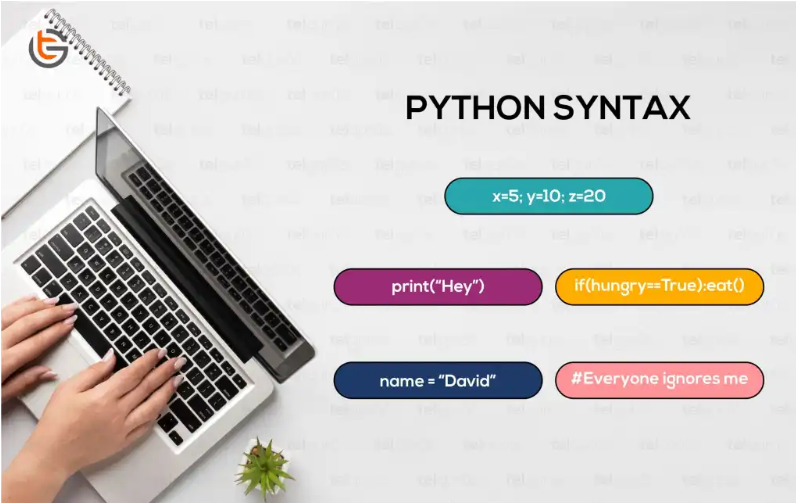
The Python Programming Course at ICC Computer Centre, Dwarka Mor is designed to teach students one of the most popular and versatile programming languages in the world. Python is widely used in web development, data science, machine learning, AI, automation, and software development due to its simple syntax, readability, and powerful libraries.

Students will learn Python fundamentals, data types, loops, functions, object-oriented programming, file handling, modules, and libraries. The course also covers real-world projects and applications, making learners capable of solving practical problems and developing software, web apps, and automation scripts.

By the end of the course, students will be job-ready for roles like Python Developer, Data Analyst, Web Developer, or Automation Engineer and will have a strong foundation to pursue advanced technologies like AI and Machine Learning.

Course Content

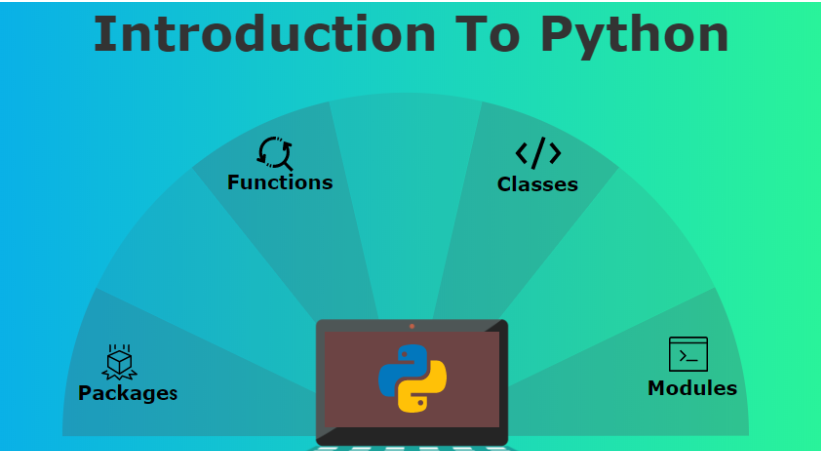
1. Introduction to Python

    • What is Python?

    • History of Python

    • Features of Python

    • Applications of Python

    • Python 2 vs Python 3

    • Installing Python (Windows/Mac/Linux)

    • Python IDEs (PyCharm, VS Code, Jupyter)

    • Running Python Programs

    • Interactive Mode vs Script Mode

    • Writing Your First Program

    • Python Keywords and Identifiers

    • Variables and Data Types

    • Basic Input & Output

    • Python Comments

    • Indentation Rules

    • Constants in Python

    • Operators (Arithmetic, Comparison, Logical)

    • Expressions and Statements

    • Type Casting

    • Python Interactive Shell

    • If, Else, and Elif Statements

    • Nested If Statements

    • While Loop

    • For Loop

    • Break and Continue

    • Pass Statement

    • Nested Loops

    • Loop Else Clause

    • Conditional Expressions (Ternary Operator)

    • Practical Examples

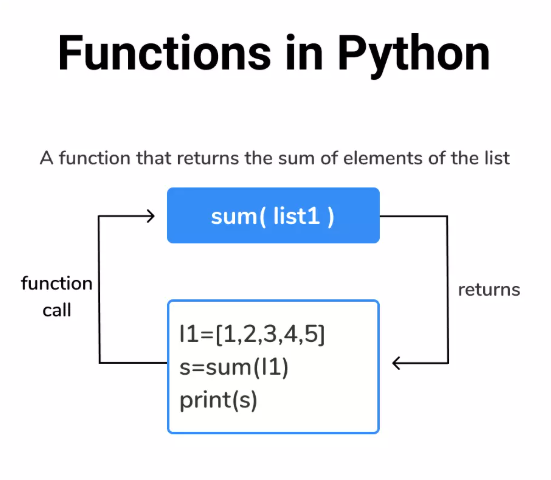
    • Defining Functions

    • Function Arguments (Positional, Keyword)

    • Default Arguments

    • Variable-Length Arguments (*args, **kwargs)

    • Return Statement

    • Lambda Functions

    • Recursion in Python

    • Scope of Variables (Local & Global)

    • Docstrings

    • Built-in Functions Overview

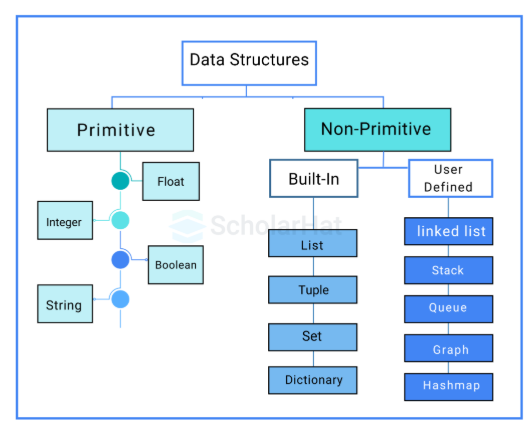
    • Lists and List Operations

    • Tuples and Tuple Operations

    • Sets and Set Operations

    • Dictionaries and Dictionary Operations

    • String Manipulation

    • Indexing and Slicing

    • Iterating over Data Structures

    • Nested Data Structures

    • Mutable vs Immutable Types

    • Common Methods & Functions

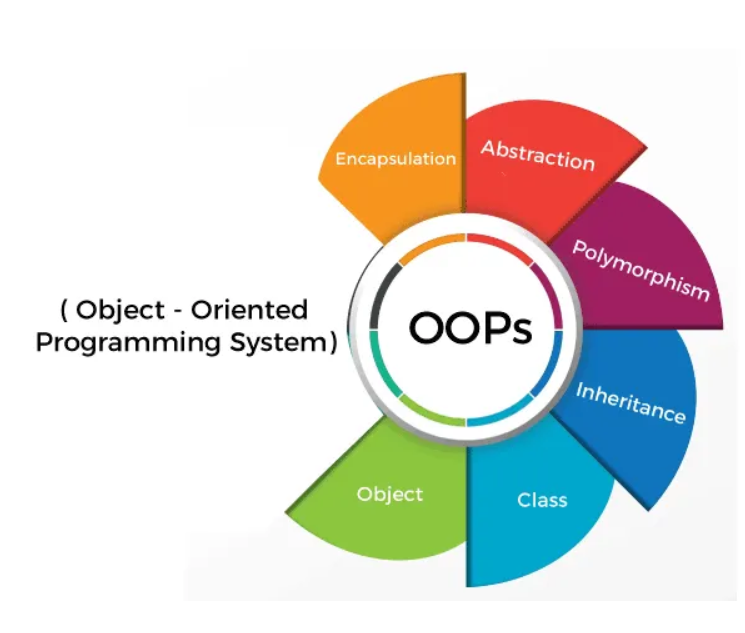
    • Introduction to OOP

    • Classes and Objects

    • Attributes and Methods

    • The init() Method

    • Self Keyword

    • Inheritance in Python

    • Polymorphism

    • Encapsulation

    • Abstraction

    • Practical OOP Examples

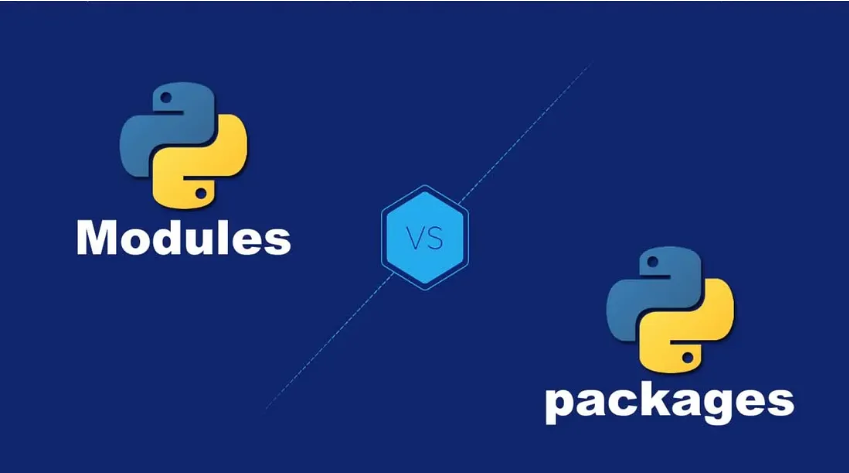
    • What are Modules?

    • Importing Modules

    • Creating Your Own Module

    • Python Standard Library Overview

    • Using Built-in Modules (math, random, datetime)

    • Packages in Python

    • Installing External Packages (pip)

    • Using Packages

    • name == “main

    • Practical Examples

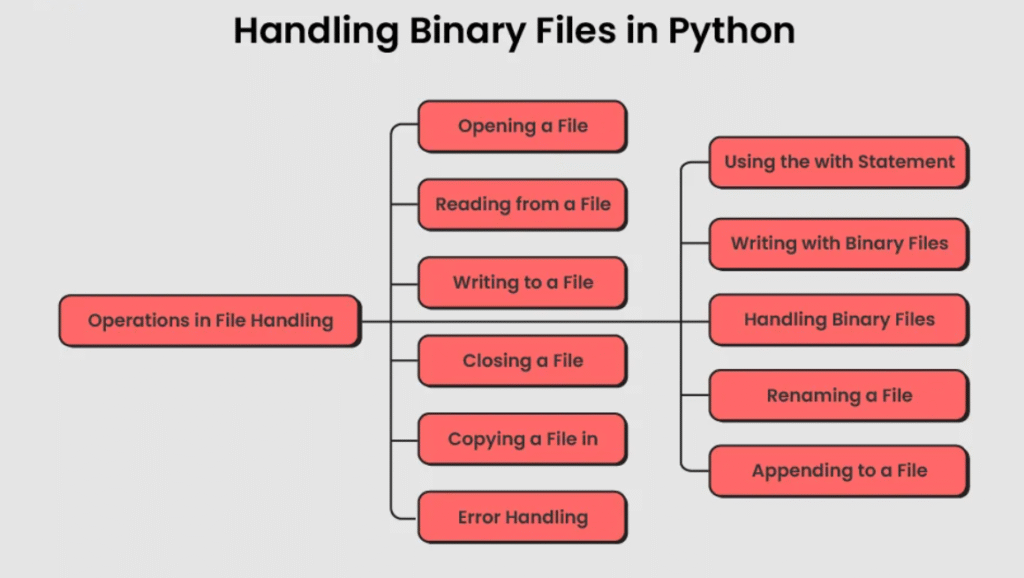
    • Reading Files (open, read, readline)

    • Writing Files (write, writelines)

    • File Modes (r, w, a, r+)

    • Closing Files Properly

    • Using with Statement

    • Working with CSV Files

    • Working with JSON Files

    • Exception Handling in File Operations

    • File Paths and Directories

    • Practical File Projects

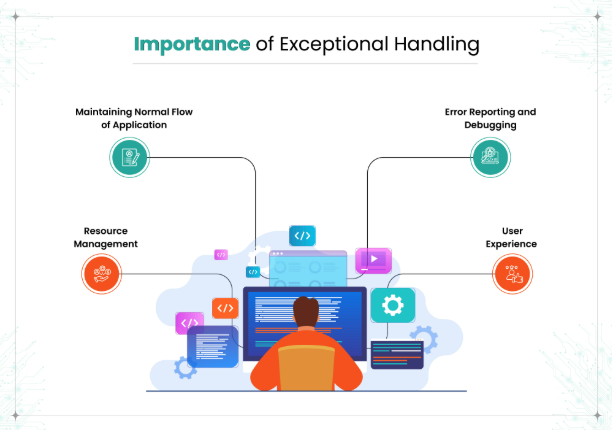
    • What is an Exception?

    • Try, Except Blocks

    • Finally Clause

    • Raising Exceptions

    • Handling Multiple Exceptions

    • Custom Exceptions

    • Debugging Techniques

    • Using assert Statement

    • Logging Errors

    • Best Practices for Exception Handling

  • Introduction to Python Libraries (NumPy, Pandas, Matplotlib)

  • Basic Data Analysis with Pandas

  • Simple Data Visualization with Matplotlib

  • Web Scraping Basics

  • Introduction to APIs

  • GUI Programming with Tkinter

  • Automating Tasks with Python

  • Mini Projects (Calculator, To-do App, Web Scraper)

  • Best Practices for Python Coding

  • Preparing a Portfolio Project

Why Choose ICC Computer Centre, Dwarka Mor?

  • Experienced & certified trainers

  • 100% practical training on latest Python 

  • Small batches for personal attention

  • Free study material & practice exercises

  • Flexible timings (Morning/Evening/Weekend)

  • Location advantage: Just 2 min walk from Dwarka Mor Metro Station

Who Can Join This Course?

  • Students (10th / 12th Pass & Graduates) – Who want to start a career in coding and IT.

  • College Students (Engineering / Computer Science / IT) – To gain practical programming skills beyond academics.

  • Beginners in Programming – Who want to learn their first programming language.

  • Software Developers – Looking to add Python to their skill set.

  • Data Science & AI Enthusiasts – Who want to prepare for Data Analytics, Machine Learning, and AI.

  • Web Development Aspirants – Who want to use Python frameworks like Django or Flask.

  • Automation & Scripting Learners – Professionals who want to automate tasks using Python.

  • Working Professionals – Planning a career switch into IT, Software, or Data Science.

  • Freelancers – Who want to provide Python-based development services.

  • Anyone Interested in Coding – Python’s easy syntax makes it perfect for anyone curious about programming.

Course Duration & Mode of Learning

  • Duration: 2 months (can be customized)
  • Mode: Classroom training at Dwarka Mor + Online classes available
  • Flexible batch timings (morning/evening/weekend)

Career Opportunities After the Course

  • Python Developer – Building applications, scripts, and backend systems.

  • Web Developer (Django / Flask) – Developing dynamic websites and web applications.

  • Data Analyst – Using Python libraries (Pandas, NumPy) to analyze and visualize data.

  • Machine Learning Engineer – Building ML models with scikit-learn, TensorFlow, PyTorch.

  • Artificial Intelligence Engineer – Creating AI solutions in fields like chatbots, NLP, robotics.

  • Automation Engineer – Writing scripts to automate tasks, testing, and workflows.

  • Software Engineer – Developing scalable software applications using Python.

  • Game Developer – Building games with libraries like Pygame.

  • Cybersecurity Analyst – Using Python for penetration testing, malware analysis, and automation.

  • Freelancer / Entrepreneur – Offering Python-based solutions in global markets.

FAQs (Frequently Asked Questions)

1. Is Python useful only for IT professionals?

  • No. Python is versatile and used in finance, business analytics, research, data science, automation, and web development.

  • Python Developer, Data Analyst, Web Developer, Machine Learning Engineer, AI Engineer, Automation Specialist, and more.

  • Absolutely. Python is the #1 choice for Data Science, Machine Learning, and AI because of its powerful libraries like Pandas, NumPy, TensorFlow, and PyTorch

  • Yes. You can work on projects like web development, automation scripts, data analysis, and chatbot development on platforms like Upwork and Fiverr.

Scroll to Top