icccomputercentre.com

C Programming

Start your coding journey with the C Programming Course at ICC Computer Centre, Dwarka Mor, New Delhi. Learn the fundamentals of programming, understand how computer programs work, and develop logical thinking and problem-solving skills through C language.

This course takes you from basic programming concepts to advanced C topics with step-by-step explanations, coding exercises, and practical assignments. Build a strong foundation that can help you learn other programming languages and explore software development.

Course Overview

The C Programming Course at ICC Computer Centre, Dwarka Mor is designed to build a strong foundation in programming. C is known as the “mother of all programming languages” because it forms the base for modern languages like C++, Java, and Python. It is widely used in system programming, operating systems, embedded systems, game development, and software engineering.

This course covers C basics, data types, operators, control statements, functions, arrays, pointers, structures, file handling, and dynamic memory allocation. Learners will also work on hands-on coding exercises and mini-projects to strengthen problem-solving skills.

Course Content

1. Introduction to C Programming

  • History and importance of C
  • Features of C language
  • Structure of a C program
  • Compilation and execution process
  • Role of compilers
  • Syntax basics
  • Comments in C
  • Difference between C and other languages
  • Applications of C
  • Setting up the IDE


    • Keywords and identifiers

    • Constants in C

    • Declaring and initializing variables

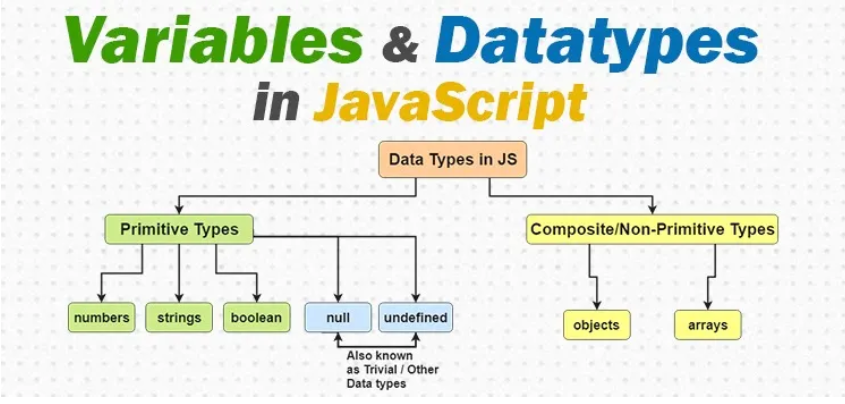
    • Basic data types (int, float, char, double)

    • Derived data types

    • Scope of variables

    • Type modifiers (long, short, unsigned, signed)

    • Storage classes (auto, static, extern, register)

    • Type casting in C

    • Rules for naming variables


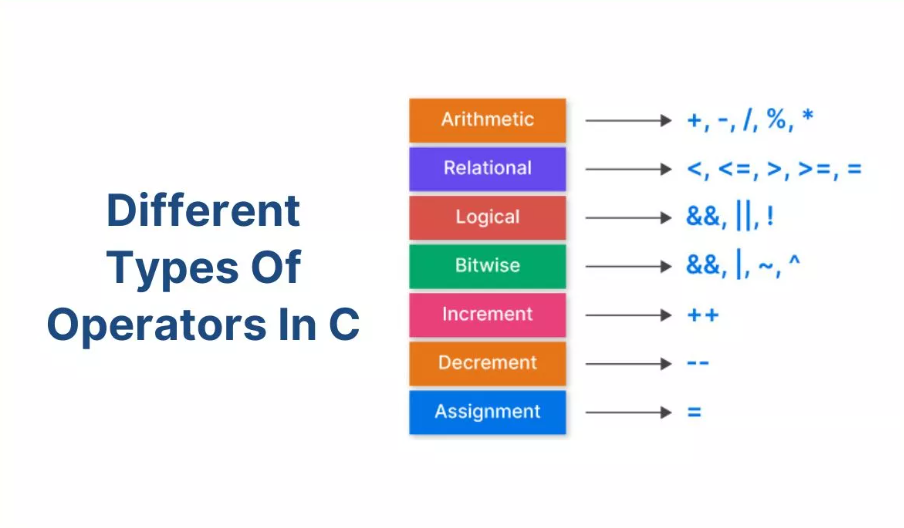
    • Arithmetic operators

    • Relational operators

    • Logical operators

    • Assignment operators

    • Increment and decrement operators

    • Conditional (ternary) operator

    • Bitwise operators

    • sizeof operator

    • Precedence of operators

    • Operator associativity

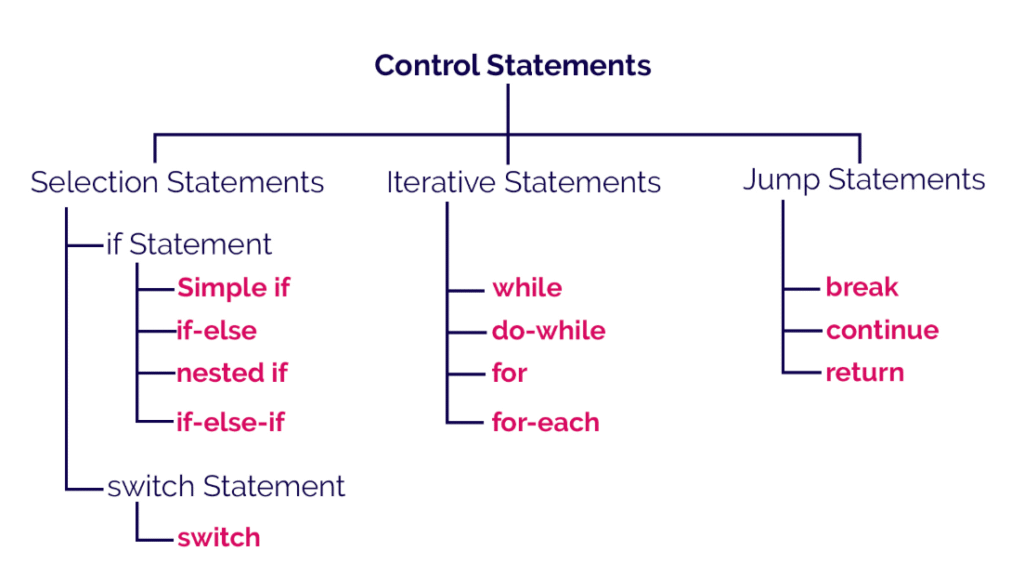
  • if statement

  • if-else statement

  • Nested if-else

  • Switch case

  • Looping (for loop, while loop, do-while loop)

  • Break statement

  • Continue statement

  • goto statement

  • Nested loops

  • Flow control diagrams


    • Introduction to functions

    • Types of functions (built-in, user-defined)

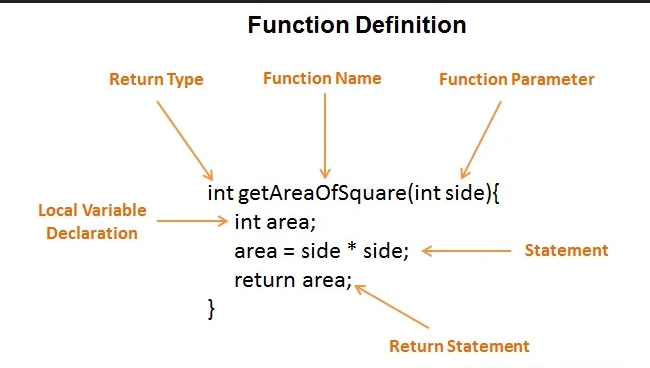
    • Function declaration and definition

    • Function parameters

    • Return values

    • Recursion in functions

    • Passing by value vs passing by reference

    • Scope and lifetime of variables in functions

    • Inline functions (conceptual)

    • Library functions in C

  • Introduction to arrays

  • One-dimensional arrays

  • Two-dimensional arrays (matrices)

  • Multi-dimensional arrays

  • String basics in C

  • String input and output

  • String handling functions (strlen, strcpy, strcat, strcmp, etc.)

  • Array of strings

  • Passing arrays to functions

  • Applications of arrays

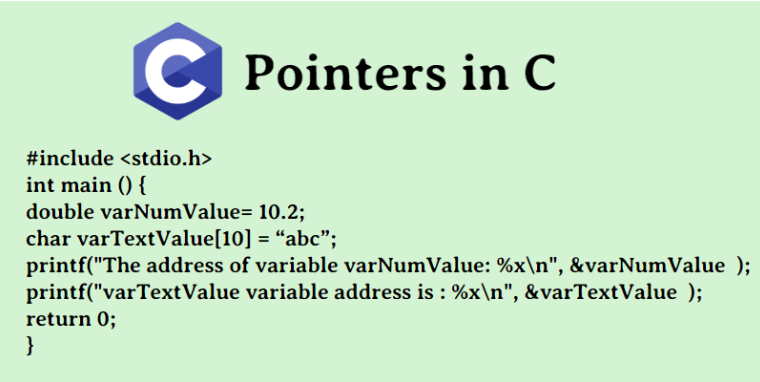
  • Basics of pointers

  • Pointer declaration and initialization

  • Pointer arithmetic

  • Pointers and arrays

  • Pointers and functions

  • Pointers to pointers

  • Dynamic memory allocation (malloc, calloc, free, realloc)

  • Dangling pointers

  • Void pointers

  • Use cases of pointers

    • Defining structures

    • Declaring structure variables

    • Accessing structure members

    • Nested structures

    • Array of structures

    • Structures and functions

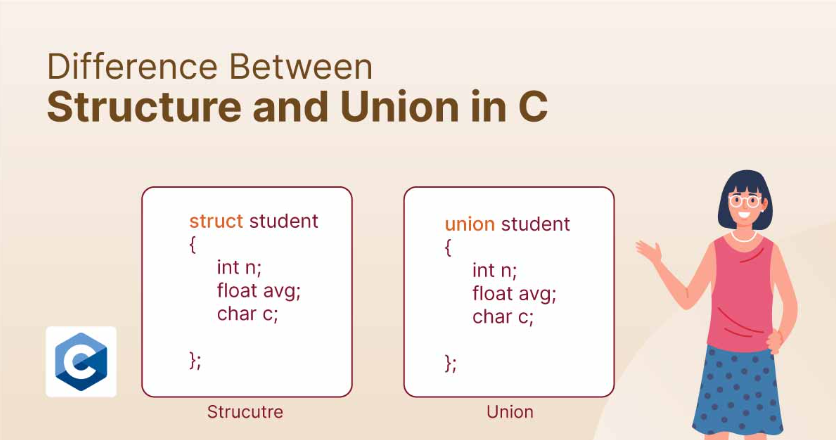
    • Unions in C

    • Difference between structures and unions

    • Typedef keyword


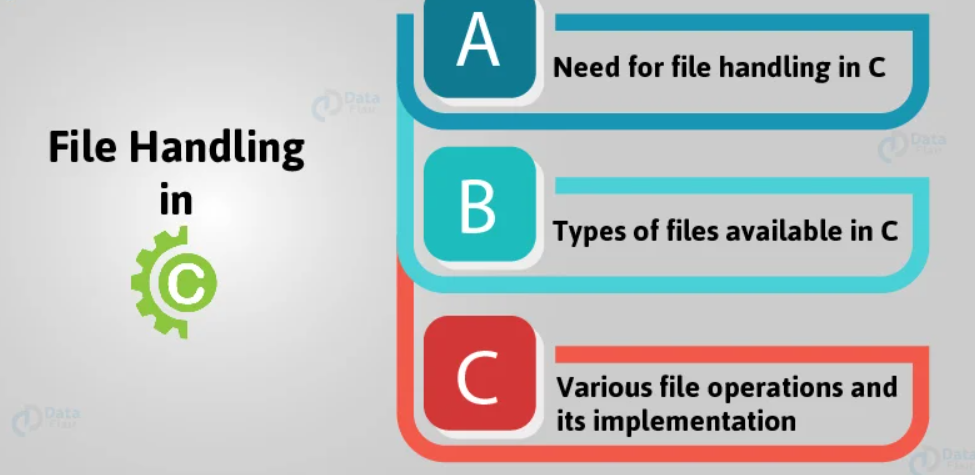
  • Introduction to File Handling and Types of Files

  • File Pointer and FILE Data Type

  • Opening Files Using fopen() and Different File Modes

  • Closing Files Using fclose()

  • Reading and Writing Data Using fscanf(), fprintf(), fgetc() and fputc()

  • String Handling in Files Using fgets() and fputs()

    • Enumerations (enum)

    • Command line arguments

    • Preprocessor directives (#define, #include, #ifdef)

    • Macros in C

    • Header files (system and user-defined)

    • Memory management best practices

    • Bit fields in structures

    • Introduction to linked lists (conceptual)

    • Debugging techniques in C


Why Choose ICC Computer Centre, Dwarka Mor?

  • Experienced & certified trainers

  • 100% practical training on latest C Programming 

  • Small batches for personal attention

  • Free study material & practice exercises

  • Flexible timings (Morning/Evening/Weekend)

  • Location advantage: Just 2 min walk from Dwarka Mor Metro Station

Who Can Join This Course?

  • School Students (10th/12th pass) – Who want to start learning coding early.

  • College Students (BCA, MCA, B.Tech, B.Sc IT, Diploma) – To strengthen programming knowledge for academics and projects.

  • Beginners in Programming – With no prior coding experience but eager to learn programming logic.

  • Aspiring Software Developers – Who want to build a career in software development and IT.

  • Engineering & Computer Science Students – To gain a clear understanding of system programming and logic building.

  • Job Seekers in IT Sector – To improve technical skills and career prospects.

  • Working Professionals – Looking to switch careers into software development or embedded systems.

  • Students preparing for Competitive Exams – Where programming and logic-based questions are asked.

  • Freelancers – Who want to learn programming for small coding or academic projects.

  • Anyone Interested in Programming – Since C is the “mother language,” it is ideal for all coding enthusiasts.

Course Duration & Mode of Learning

The C Programming Course at ICC Computer Centre, Dwarka Mor, New Delhi, is designed to help students understand programming fundamentals and develop logical thinking through practical coding sessions.

Course Duration

The course duration depends on the syllabus, learning pace, and batch schedule. Contact ICC Computer Centre for the latest details about course duration, fees, and batch timings.

Mode of Learning

Classroom-Based Learning: Learn C programming concepts through step-by-step classroom instruction.

Hands-On Coding Practice: Write, compile, and execute C programs during practical sessions.

Beginner-Friendly Training: Start with basic programming concepts and gradually move towards advanced topics.

Logic Building Exercises: Improve problem-solving skills through programming questions and assignments.

Practical Projects: Apply your knowledge by creating small C programming projects.

Doubt-Clearing Sessions: Get guidance to understand programming concepts and correct coding errors.

Career Opportunities After the Course

  • Software Developer (Entry-Level) – Writing code for applications and system software.

  • Embedded Systems Programmer – Developing code for microcontrollers, IoT devices, and hardware systems.

  • System Programmer – Working with operating systems, drivers, and system-level applications.

  • Game Developer (Basics) – Using C concepts in game logic and physics engines.

  • Database Developer (with C knowledge) – Understanding how databases interact with low-level languages.

  • Junior Programmer in IT Companies – Supporting senior developers in writing and testing code.

  • Open-Source Contributor – Participating in projects where C is still widely used.

  • Research & Development Assistant – Supporting projects in scientific computing and simulations.

  • Competitive Programmer – Applying C to strengthen logic and problem-solving in coding competitions.

  • Foundation for Advanced Careers – Serving as a stepping stone to C++, Java, Python, Data Structures, Algorithms, and Software Engineering.

FAQs (Frequently Asked Questions)

1. Where is C used in real life?

  • C is used in operating systems, embedded systems, device drivers, databases, compilers, and game engines.

  • Yes. Most computer science and engineering courses include C programming, so this course gives you a strong edge.

  • You can become a junior programmer, software developer, embedded systems programmer, or use it as a base for advanced IT careers.

  • Yes. C is highly relevant in system-level programming, embedded devices, IoT, and performance-based applications. 

Scroll to Top