icccomputercentre.com

C Programming

Master Tally with our expert-led Tally Prime Course in Dwarka Mor. Learn accounting, GST, payroll, and more with hands-on training and certification. Join now for career growth!

Course Overview

The C Programming Course at ICC Computer Centre, Dwarka Mor is designed to build a strong foundation in programming. C is known as the “mother of all programming languages” because it forms the base for modern languages like C++, Java, and Python. It is widely used in system programming, operating systems, embedded systems, game development, and software engineering.

This course covers C basics, data types, operators, control statements, functions, arrays, pointers, structures, file handling, and dynamic memory allocation. Learners will also work on hands-on coding exercises and mini-projects to strengthen problem-solving skills.

Course Content

1. Introduction to C Programming

    • History and importance of C

    • Features of C language

    • Structure of a C program

    • Compilation and execution process

    • Role of compilers

    • Syntax basics

    • Comments in C

    • Difference between C and other languages

    • Applications of C

    • Setting up the IDE

    • Keywords and identifiers

    • Constants in C

    • Declaring and initializing variables

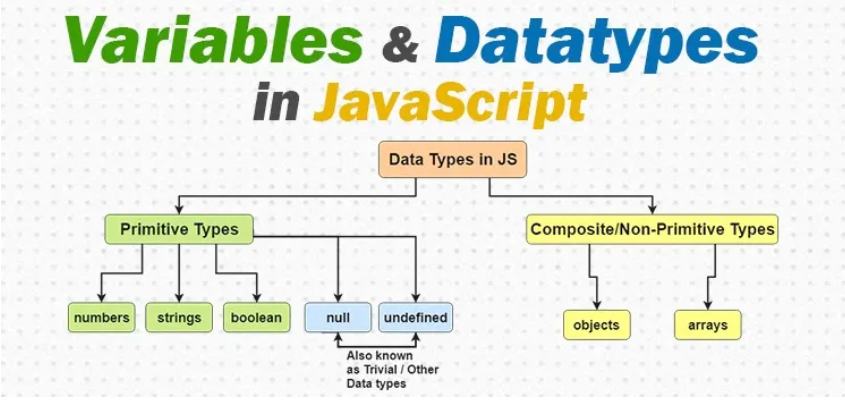
    • Basic data types (int, float, char, double)

    • Derived data types

    • Scope of variables

    • Type modifiers (long, short, unsigned, signed)

    • Storage classes (auto, static, extern, register)

    • Type casting in C

    • Rules for naming variables

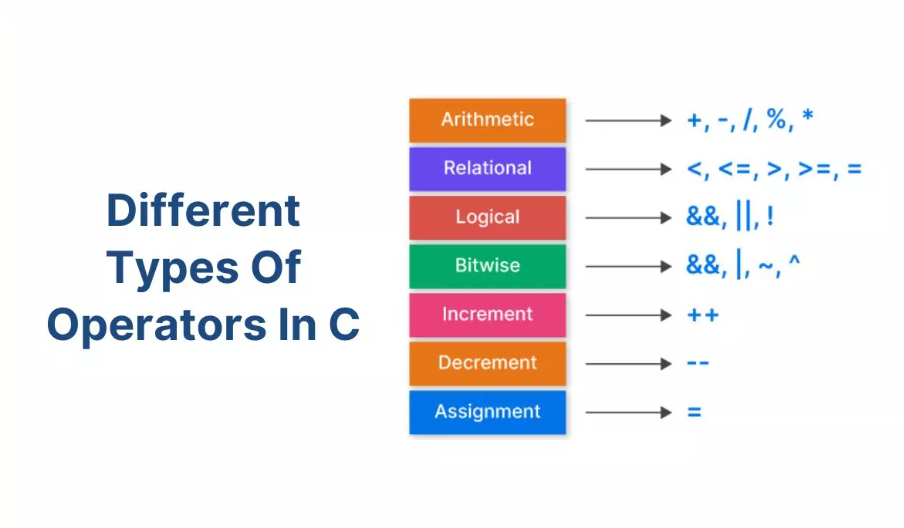
    • Arithmetic operators

    • Relational operators

    • Logical operators

    • Assignment operators

    • Increment and decrement operators

    • Conditional (ternary) operator

    • Bitwise operators

    • sizeof operator

    • Precedence of operators

    • Operator associativity

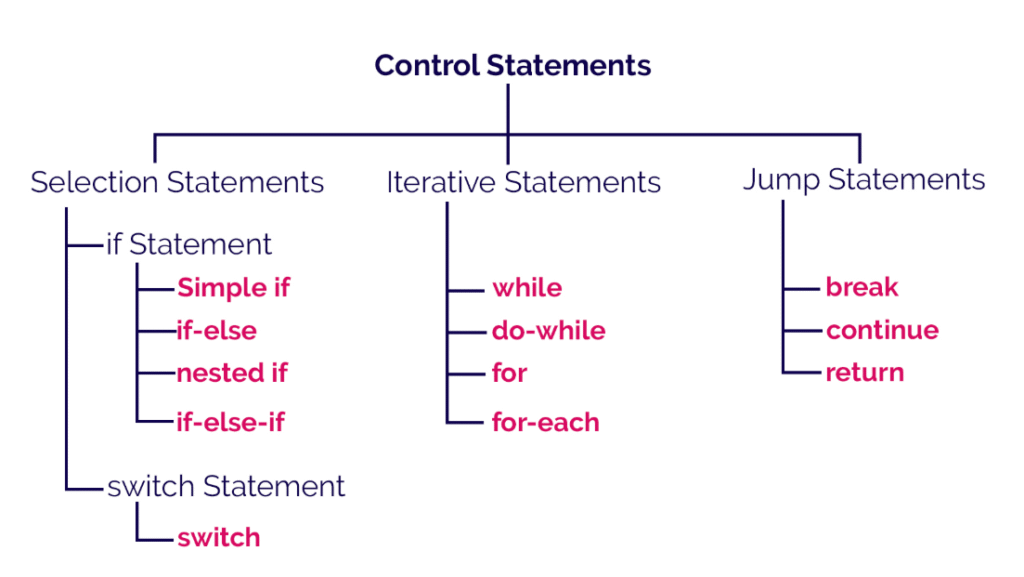
    • if statement

    • if-else statement

    • Nested if-else

    • Switch case

    • Looping (for loop, while loop, do-while loop)

    • Break statement

    • Continue statement

    • goto statement

    • Nested loops

    • Flow control diagrams

    • Introduction to functions

    • Types of functions (built-in, user-defined)

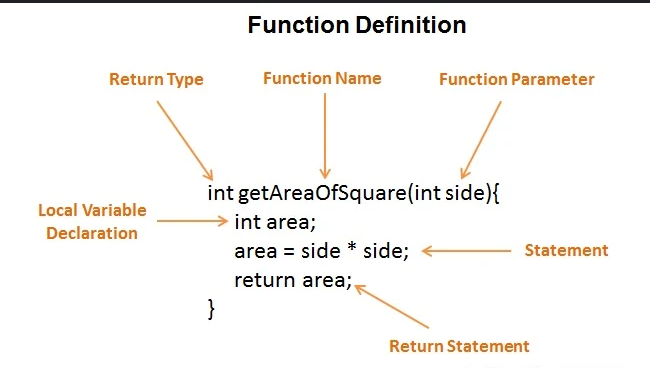
    • Function declaration and definition

    • Function parameters

    • Return values

    • Recursion in functions

    • Passing by value vs passing by reference

    • Scope and lifetime of variables in functions

    • Inline functions (conceptual)

    • Library functions in C

    • Introduction to arrays

    • One-dimensional arrays

    • Two-dimensional arrays (matrices)

    • Multi-dimensional arrays

    • String basics in C

    • String input and output

    • String handling functions (strlen, strcpy, strcat, strcmp, etc.)

    • Array of strings

    • Passing arrays to functions

    • Applications of arrays

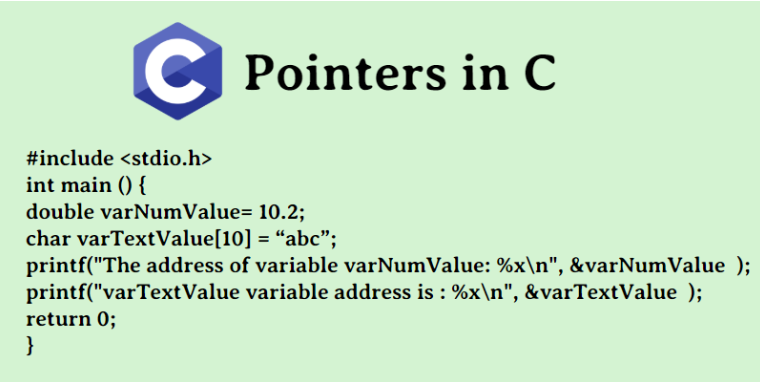
    • Basics of pointers

    • Pointer declaration and initialization

    • Pointer arithmetic

    • Pointers and arrays

    • Pointers and functions

    • Pointers to pointers

    • Dynamic memory allocation (malloc, calloc, free, realloc)

    • Dangling pointers

    • Void pointers

    • Use cases of pointers

    • Defining structures

    • Declaring structure variables

    • Accessing structure members

    • Nested structures

    • Array of structures

    • Structures and functions

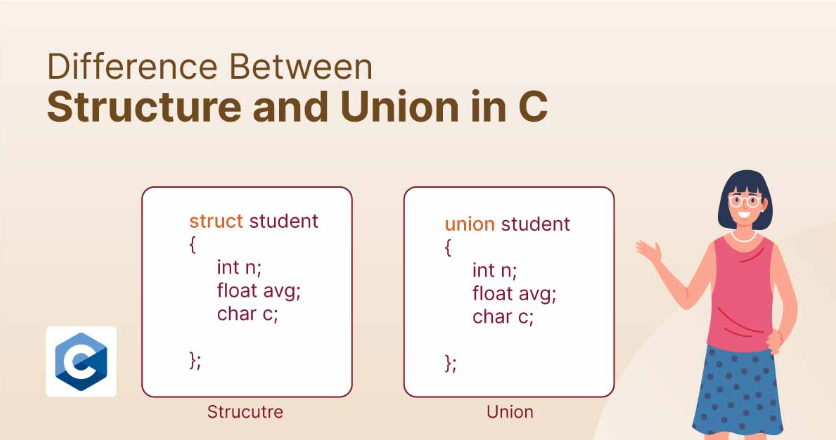
    • Unions in C

    • Difference between structures and unions

    • Typedef keyword

    • Practical examples of structures

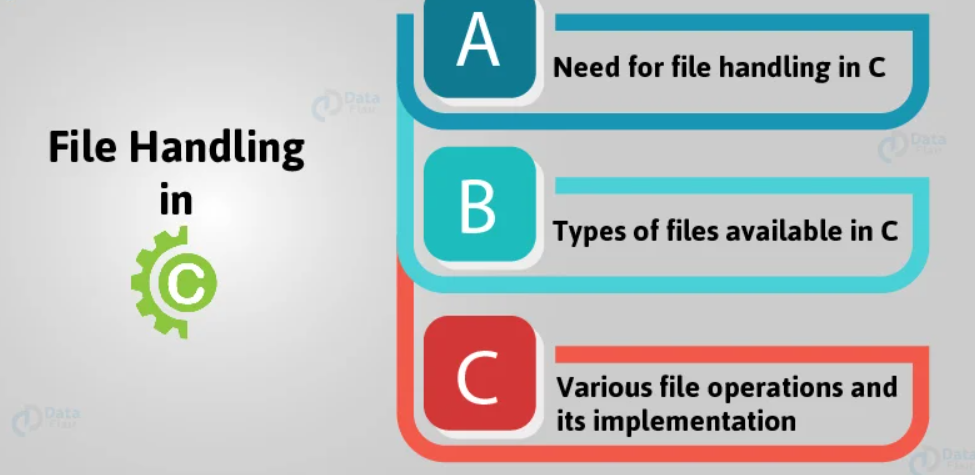
    • Introduction to file handling

    • Types of files (text, binary)

    • File opening modes

    • Reading from a file

    • Writing to a file

    • File pointers

    • Error handling in file operations

    • Random access in files

    • fseek, ftell, rewind functions

    • Closing a file

    • Enumerations (enum)

    • Command line arguments

    • Preprocessor directives (#define, #include, #ifdef)

    • Macros in C

    • Header files (system and user-defined)

    • Memory management best practices

    • Bit fields in structures

    • Introduction to linked lists (conceptual)

    • Debugging techniques in C

    • Real-world applications of C

Why Choose ICC Computer Centre, Dwarka Mor?

  • Experienced & certified trainers

  • 100% practical training on latest C Programming 

  • Small batches for personal attention

  • Free study material & practice exercises

  • Flexible timings (Morning/Evening/Weekend)

  • Location advantage: Just 2 min walk from Dwarka Mor Metro Station

Who Can Join This Course?

  • School Students (10th/12th pass) – Who want to start learning coding early.

  • College Students (BCA, MCA, B.Tech, B.Sc IT, Diploma) – To strengthen programming knowledge for academics and projects.

  • Beginners in Programming – With no prior coding experience but eager to learn programming logic.

  • Aspiring Software Developers – Who want to build a career in software development and IT.

  • Engineering & Computer Science Students – To gain a clear understanding of system programming and logic building.

  • Job Seekers in IT Sector – To improve technical skills and career prospects.

  • Working Professionals – Looking to switch careers into software development or embedded systems.

  • Students preparing for Competitive Exams – Where programming and logic-based questions are asked.

  • Freelancers – Who want to learn programming for small coding or academic projects.

  • Anyone Interested in Programming – Since C is the “mother language,” it is ideal for all coding enthusiasts.

Course Duration & Mode of Learning

  • Duration: 2 months (can be customized)
  • Mode: Classroom training at Dwarka Mor + Online classes available
  • Flexible batch timings (morning/evening/weekend)

Career Opportunities After the Course

  • Software Developer (Entry-Level) – Writing code for applications and system software.

  • Embedded Systems Programmer – Developing code for microcontrollers, IoT devices, and hardware systems.

  • System Programmer – Working with operating systems, drivers, and system-level applications.

  • Game Developer (Basics) – Using C concepts in game logic and physics engines.

  • Database Developer (with C knowledge) – Understanding how databases interact with low-level languages.

  • Junior Programmer in IT Companies – Supporting senior developers in writing and testing code.

  • Open-Source Contributor – Participating in projects where C is still widely used.

  • Research & Development Assistant – Supporting projects in scientific computing and simulations.

  • Competitive Programmer – Applying C to strengthen logic and problem-solving in coding competitions.

  • Foundation for Advanced Careers – Serving as a stepping stone to C++, Java, Python, Data Structures, Algorithms, and Software Engineering.

FAQs (Frequently Asked Questions)

1. Where is C used in real life?

  • C is used in operating systems, embedded systems, device drivers, databases, compilers, and game engines.

  • Yes. Most computer science and engineering courses include C programming, so this course gives you a strong edge.

  • You can become a junior programmer, software developer, embedded systems programmer, or use it as a base for advanced IT careers.

  • Yes. C is highly relevant in system-level programming, embedded devices, IoT, and performance-based applications. 

Scroll to Top